
Development of Daily Living and Life Skills: What It Funds
The part of your plan that pays for learning to do things yourself. What Development of Daily Living and Life Skills covers, and the 2026-27 rates.
There is a line in a lot of NDIS plans that sounds like a policy document: Development of Daily Living and Life Skills. Most people skim past it.
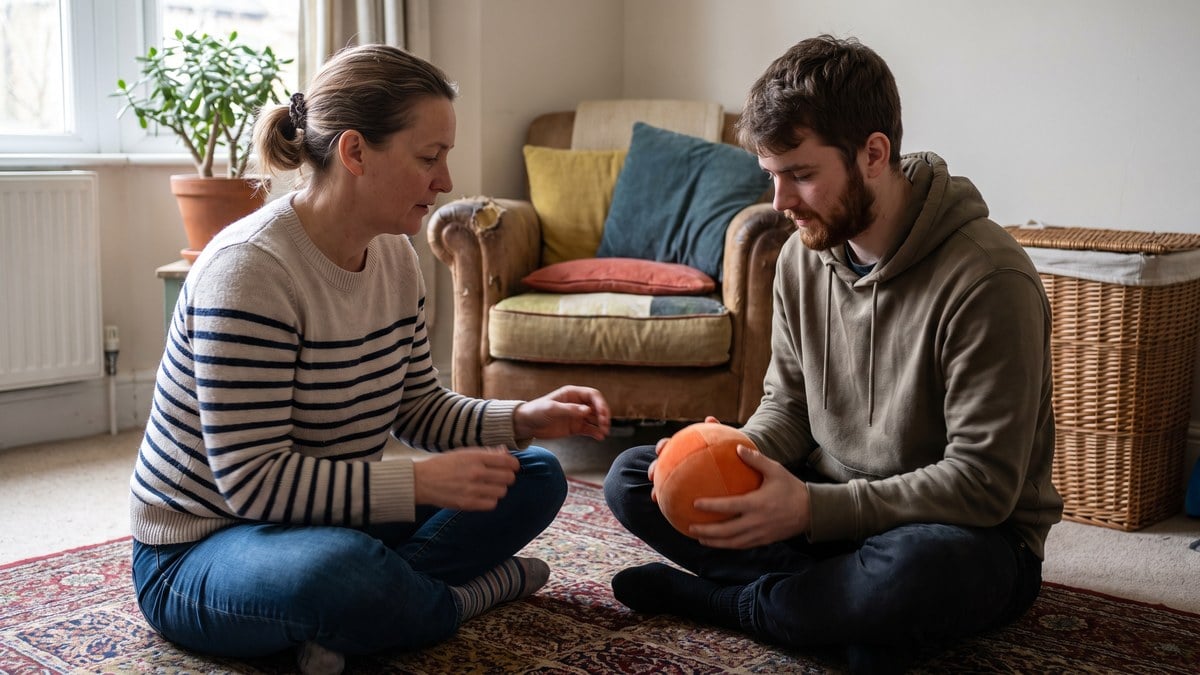
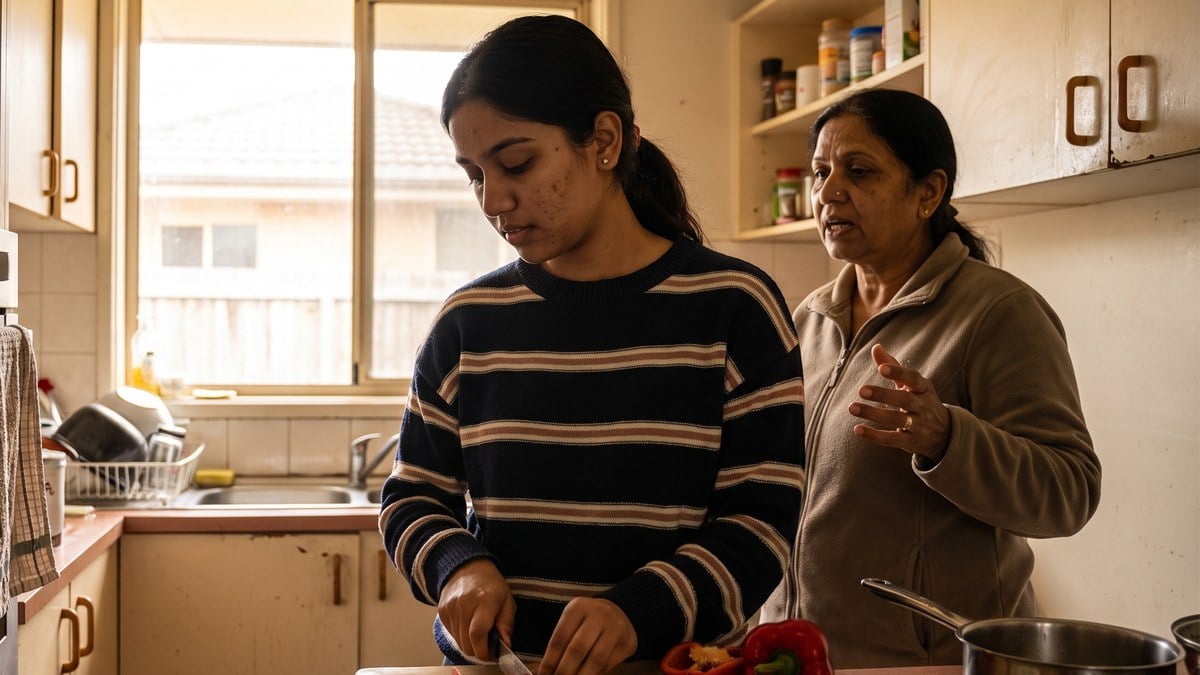
It is worth stopping on. It is the part of your plan that pays for someone to teach you to do a thing, rather than do the thing for you. Cooking. Catching the bus. Managing money. Getting through a morning routine without prompting. If independence is one of your goals, this is the budget that funds it.
What is Development of Daily Living and Life Skills?
On the NDIS register it is registration group 0117. In your plan it usually shows up under capacity building (the funding for learning and skill-building, as opposed to core supports, which fund the everyday help itself).
The difference matters. Core funding pays a support worker to cook dinner with you tonight. Capacity building under 0117 pays a support worker to teach you to cook dinner, so that in six months you need less help, or none.
Same worker, sometimes the same kitchen. Different purpose, different budget, and a different way of writing it up afterwards.
What does it actually pay for?
The support catalogue lists several line items under 0117. The ones most families use:
- Skill development and training, including public transport training. One-to-one sessions to learn a practical skill: cooking, shopping, laundry, using a myki, keeping appointments. This is the workhorse item. It sits in the Improved Daily Living budget.
- Training for carers and parents. Sessions where a worker trains the family, not the participant. Useful when a routine has to be consistent across everyone in the house.
- Skills development and training in the Increased Social and Community Participation budget. Same idea, aimed at skills you use out in the community.
- Individual social skills development in the Improved Relationships budget. Learning to read social situations, hold a conversation, handle conflict.
- Capacity building in self-management. Learning to run your own plan: budgets, invoices, choosing providers.
You will notice these sit in different budgets. That is normal. 0117 is a provider registration group, not a single bucket of money; the NDIA spreads life-skills funding across a few capacity-building categories depending on what the skill is for.
What are the 2026-27 rates?
These are the current national price limits for a weekday daytime hour, from 1 July 2026:
- Skill development and training (Improved Daily Living): $73.58 per hour
- Training for carers and parents: $83.87 per hour
- Skills development and training (Increased Social and Community Participation): $83.87 per hour
- Individual social skills development (Improved Relationships): $83.87 per hour
Those are ceilings, not fixed fees. Evening, Saturday, Sunday and public holiday rates are higher. A registered provider cannot charge above the limit for the time of day the support was delivered. If a quote looks higher than these, ask why.
How do I know if my plan has it?
Look in the capacity building section of your plan for Improved Daily Living. That is where most 0117 funding lands. Then check Increased Social and Community Participation and Improved Relationships, which can also carry it.
The plan will show a dollar figure, not a number of hours. To turn it into hours, divide by the rate above. $5,000 in Improved Daily Living at $73.58 an hour is about 68 hours across the plan period, before any travel or evening loading.
If you cannot find it and building skills is one of your goals, that is worth raising at your next plan review. Our free Plan Health Check will read the plan with you and point to where it sits, or where it should.
What does a good 0117 support look like?
The test is simple: is the participant doing more of the task each time, and the worker doing less?
A worker who cooks dinner every Tuesday while the participant watches is delivering core support and calling it capacity building. That is not what the funding is for, and it is the kind of thing a plan reviewer looks at.
Good practice looks like this:
- A written goal at the start. Not "cooking skills" but "cook three dinners a week without prompting by March".
- The worker steps back over time. Hands-on at first, then verbal prompts, then just being present, then not needed.
- Progress notes that record what the participant did, not what the worker did.
- A short report before the plan review showing where things started and where they got to. That report is what gets the funding renewed.
This is how our team works on daily living support and community participation: every shift note answers the question "what can they do now that they could not do before?"
Can the same worker do core and capacity building?
Yes. It is common and often better, because the person who knows your routine is the best person to teach it. What has to change is the line item claimed and the note written. A two-hour shift might be one hour of personal care (core) and one hour of cooking practice (0117). The invoice shows both. The note for the second hour describes the skill, not the meal.
Frequently asked questions
Is 0117 the same as Assist Life Stage Transition?
No. Assist Life Stage Transition (0106) funds the organising: support coordination, help planning a change in your life. 0117 funds the learning itself. A support coordinator might use 0106 funding to find you a provider who then delivers skill-building under 0117.
Can 0117 fund a group program?
Not directly. Every 0117 line item in the 2026-27 catalogue is priced one-to-one. Group skill-building exists in the NDIS, but it is claimed under other registration groups and line items, usually in the community participation budgets. If a provider quotes you a group rate for life skills, ask which line item it is claimed under and check it against your plan.
Does the provider need to be registered?
If your plan is NDIA-managed, yes: only providers registered for 0117 can claim it. If you are plan-managed or self-managed, you can use unregistered providers. InLife holds 0117 on the NDIS Commission register, so we can deliver it under any plan type.
Does travel get charged on top?
Provider travel can be claimed on 0117 supports, as a separate line, within the limits set by the pricing arrangements. Ask your provider how they handle it before the first session, and check the service agreement says the same thing.
Want to check your plan?
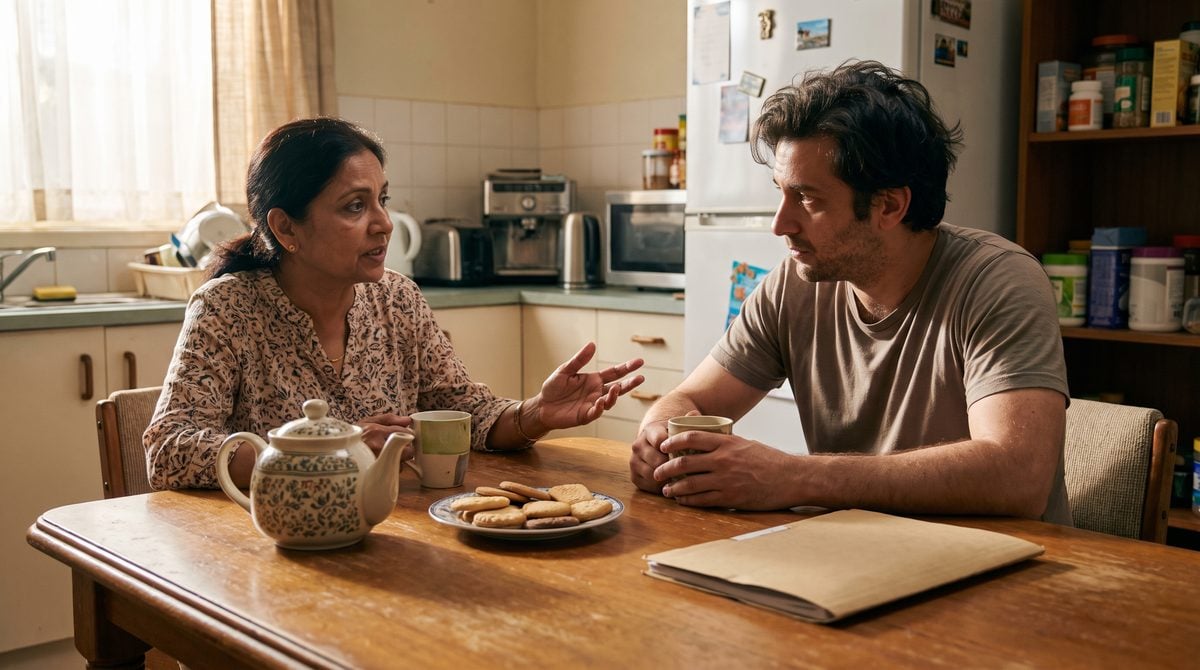
Bring it to a free Plan Health Check. Fifteen minutes, in English, Farsi, Urdu, Hindi or Punjabi. We will find the life-skills funding, turn it into hours, and tell you honestly whether it is being used the way it was meant to be.
Sources: NDIA, NDIS Support Catalogue 2026-27 v1.1, current support items (registration group 0117 line items and national price limits effective 1 July 2026), captured 10 July 2026. NDIS Commission public register, InLife registration groups, captured 6 July 2026. Rates quoted are national weekday daytime price limits; check the current NDIS Pricing Arrangements for time-of-day loadings.

Keep reading